Easter is the most significant celebration in the Christian calendar, marking the resurrection of Jesus Christ. For parishes, this period is a time of intense spiritual activity, communal gathering, and profound reflection. A successful Easter celebration hinges not only on spiritual preparation but also on meticulous attention to the liturgical environment. This includes the careful selection of appropriate vestments for clergy, decorative elements for the church, and ensuring all aspects align with the solemnity and joy of the Paschal Triduum and Easter Sunday. Understanding the symbolic meaning and practical considerations behind these choices is crucial for creating a truly immersive and reverent experience for the faithful.
The Liturgical Significance of Easter Vestments
The color of the liturgical vestments is deeply symbolic and directly tied to the liturgical season. For Easter, the primary color is white or gold, representing purity, joy, triumph, and the divine light of the resurrected Christ. These colors are used from the Easter Vigil through the Octave of Easter and often extend to the Feast of the Ascension and Pentecost, though green is used for the Sundays in Ordinary Time between Easter and Advent.
Understanding the Symbolism of White and Gold
White symbolizes the resurrection, new life, and the purity of Christ’s victory over sin and death. It evokes a sense of divine glory and heavenly joy. Gold, often used interchangeably with white during Easter, signifies the ultimate glory and majesty of the risen Lord. Its richness and brilliance mirror the profound triumph and eternal celebration associated with Easter.
Key Vestments for Easter Services
Several key vestments are central to Easter services:
The Chasuble
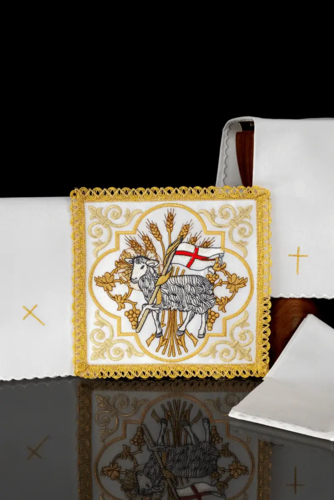
The chasuble is the outermost liturgical vestment worn by the celebrant during Mass. For Easter, it is typically made of rich fabrics such as silk, damask, or brocade, often embroidered with symbols of the resurrection like the Lamb of God, the cross, or IHS monograms, rendered in white, gold, or silver threads. The design can range from traditional to more contemporary styles, but the emphasis remains on conveying the paschal joy.
The Stole and Maniple
The stole is a long band of cloth worn around the neck, with the ends hanging down the front of the chasuble. The maniple, a shorter band, was traditionally worn on the left arm but is now less common. Both are typically made of the same fabric and color as the chasuble, reinforcing the unity of the vestments and the solemnity of the occasion.
The Cope
The cope is a semi-circular mantle worn by clergy during processions, solemn blessings, and other non-Eucharistic services. For Easter, a white or gold cope, often richly embroidered, is appropriate for services like the Easter Vigil procession or the blessing of the Easter food. Its grandeur enhances the ceremonial aspects of these significant events.
The Dalmatic
Worn by the deacon during Mass, the dalmatic shares the same symbolic colors as the chasuble. An Easter dalmatic, in white or gold, complements the celebrant’s vestments and underscores the role of the deacon in assisting at the liturgy of the resurrection.
Albs and Cinctures
The alb is a long, white linen or cotton robe worn by all ministers. It symbolizes purity and is worn throughout the year, but its crisp whiteness is particularly fitting for the purity of the resurrection. The cincture, a cord worn around the waist, often with tassels, secures the alb and can be white, gold, or any liturgical color.
Decorating the Parish for Easter
Beyond vestments, the physical environment of the church plays a vital role in conveying the Easter message. Decorations should complement the liturgical themes and enhance the spiritual atmosphere.
The Easter Vigil and Paschal Candle
The Easter Vigil, celebrated on Holy Saturday night, is the most important liturgy of the year. A central element is the Paschal Candle, a large, ornate candle representing Christ’s light and resurrection. It is inscribed with the current year, the Alpha and Omega symbols, and a cross, often adorned with five grains of incense symbolizing the five wounds of Christ.
Floral Arrangements
Floral decorations are abundant during Easter, symbolizing new life, spring, and the blossoming of Christ’s resurrection. White lilies are a traditional symbol of purity and resurrection. Other spring flowers in white, gold, and pastel colors can be used to adorn the altar, sanctuary, and entrance. Care should be taken to ensure floral arrangements do not obstruct the view of the altar or Paschal Candle.
Symbolic Decorations
Other symbolic elements can enhance the Easter theme:
- The Altar: Should be adorned with a clean white or gold altar cloth.
- The Sanctuary: Can be enhanced with banners or hangings featuring Easter symbols.
- The Font: If newly blessed for baptism during the Easter Vigil, it can be decorated with flowers or a white cloth.
- Processional Cross and Banners: These should be covered in white or gold cloths leading up to Easter.
Practical Considerations for Selection and Acquisition
When selecting vestments and decorations for Easter, parishes should consider several practical aspects:
Quality of Materials and Craftsmanship
For vestments, investing in high-quality fabrics and expert craftsmanship ensures durability and aesthetic appeal. Rich embroidery, fine stitching, and durable materials will allow the vestments to be used for many Easter seasons to come. The same applies to altar cloths and banners; durable, high-quality materials will withstand frequent use and cleaning.
Budget and Longevity
Parishes often operate with limited budgets. It is wise to prioritize essential vestments and decorations, focusing on pieces that offer longevity and versatility. A well-made white or gold chasuble, for instance, can be used for multiple Easter celebrations and other feasts of Christ.
Care and Maintenance
Consider the care instructions for vestments and altar linens. Delicate fabrics and intricate embroidery may require professional cleaning. Planning for maintenance ensures the vestments and decorations remain in pristine condition.
Consultation and Collaboration
Involve the parish council, liturgy committee, and clergy in the selection process. This ensures that the chosen items align with the parish’s liturgical needs, aesthetic preferences, and budget. Open communication and collaboration lead to decisions that best serve the community.
Conclusion
Easter is a time of profound spiritual renewal and celebration. The careful selection of liturgical vestments and church decorations plays a crucial role in enhancing the sacredness of the Easter services. By understanding the rich symbolism of colors, motifs, and materials, parishes can create an environment that truly reflects the triumphant message of Christ’s resurrection. From the shimmering white and gold of the chasuble to the vibrant blooms adorning the sanctuary, every element contributes to the faithful’s spiritual journey during this most holy season.