
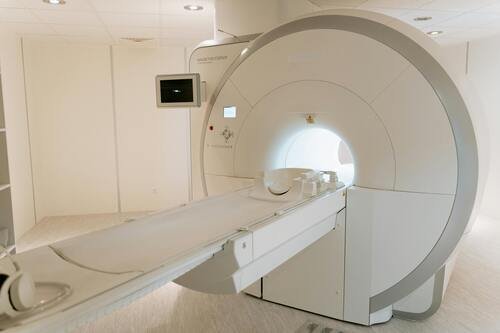
Computed tomography is widely used in modern medicine to examine organs, bones and blood vessels with high precision. During the scan, the device creates detailed cross-sectional images of the body that help doctors detect structural changes and evaluate many medical conditions. However, the images themselves are not the final step of diagnosis. Their meaning becomes clear only after a radiologist analyzes them and prepares a CT scan report. For many patients, receiving such a report can raise questions about how to read it and what the results actually mean.
What a CT Scan Report Actually Is
A CT scan report is a structured medical document prepared by a radiologist after carefully reviewing the images from the examination. The specialist examines a large number of images and translates the visual findings into a clear written description.
The report typically explains what structures were examined and whether any changes were observed. It serves as an important diagnostic document that physicians use when planning further evaluation or treatment.
While the report summarizes the imaging findings, it does not replace a full clinical assessment by a doctor.
Understanding the Structure of the Report
Most CT scan reports follow a similar structure so that physicians can quickly identify the key information.
The first section usually includes basic details about the examination, such as the body region that was scanned and whether contrast material was used. The main part of the report contains a systematic description of the visible anatomical structures.
Finally, the radiologist provides a summary section that highlights the most relevant observations from the scan.
This final part is often the most useful for patients and doctors because it brings together the most important findings in a concise way.
Why Medical Terminology Appears in the Report
Many CT scan reports contain specialized medical terms that may seem unfamiliar to patients. This is because the document is written primarily for healthcare professionals who rely on precise language when discussing imaging results.
Certain words used in radiology describe imaging features rather than confirmed diagnoses. For example, a radiologist may describe a structure, density or change in tissue appearance without immediately determining its clinical significance.
Understanding this distinction is important. A description in the report does not automatically indicate a serious condition, and only a physician can interpret the findings within the full medical context.
How to Approach Your Results Calmly and Confidently
Reading a CT scan report for the first time can feel overwhelming, especially when encountering unfamiliar terms. A helpful approach is to focus on the general meaning of the report rather than trying to interpret every detail independently.
Patients often benefit from reviewing the summary section first and noting any recommendations mentioned by the radiologist. The next step should always be discussing the report with a physician who understands the patient’s symptoms, medical history and previous examinations.
This conversation helps place the imaging findings into the correct clinical perspective.
The Role of the Radiologist and Your Treating Doctor
The radiologist’s role is to analyze the images and describe what can be observed in the scan. The treating physician then evaluates those findings together with other medical information, such as symptoms, laboratory results and physical examination.
This collaboration ensures that the CT scan report is interpreted accurately and used appropriately in the diagnostic process. It also helps avoid misunderstandings that could occur if the report were interpreted without medical guidance.
In many cases, the results simply confirm that the examined structures appear normal or that any observed changes are minor and require only monitoring.
Why Professional Interpretation Provides Reassurance
A CT scan report is designed to support medical decision-making, not to replace the doctor–patient conversation. When reviewed together with a healthcare professional, the report becomes a valuable tool that helps clarify the next steps in diagnosis or treatment.
Approaching the results with reliable medical guidance allows patients to understand their imaging findings with confidence and avoid unnecessary worry. In modern diagnostics, the combination of advanced imaging technology and expert interpretation remains the most reliable way to obtain clear and meaningful information about health.